
You shouldn't guess
what's in your walls.
Species identification, structural grading, and hardwood sourcing — for builders where the wrong board means a failed inspection or a six-figure mistake.
Three jobs. Three moments where the wood had to be right.
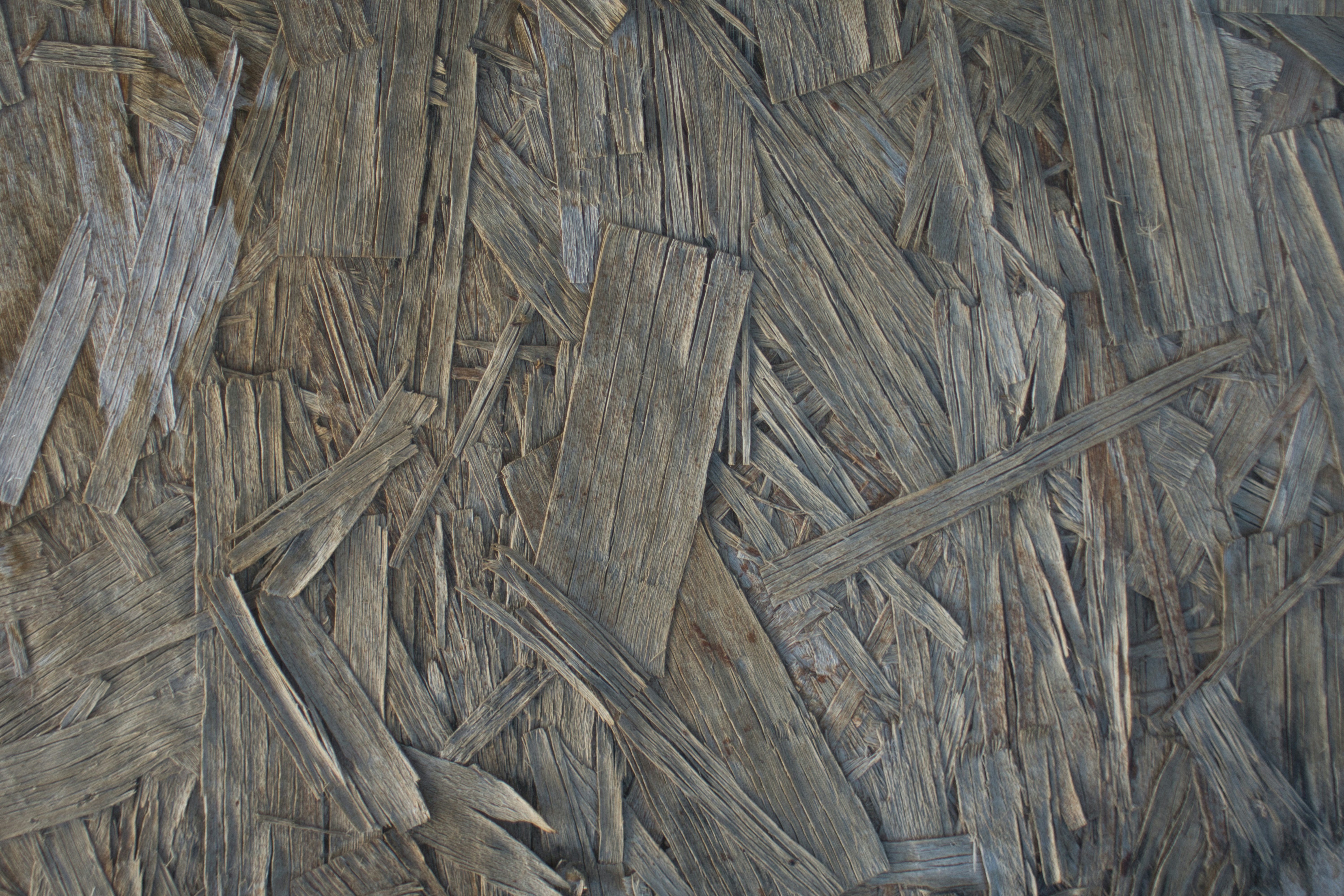
A deck reframe stalled after the inspector flagged the ledger board. The contractor had spec'd #2 Southern Yellow Pine; the lumber yard delivered hem-fir with a forged grade stamp. Six weeks from permit expiry.
- On-site species ID by cell structure and resin canals — confirmed hem-fir within 20 minutes
- Sourced certified SYP from a secondary yard 40 miles out, same-week delivery
- Drafted a written species verification letter accepted by the county inspector
Deck passed re-inspection in 4 days. Builder recovered $18,400 in delayed contractor fees.
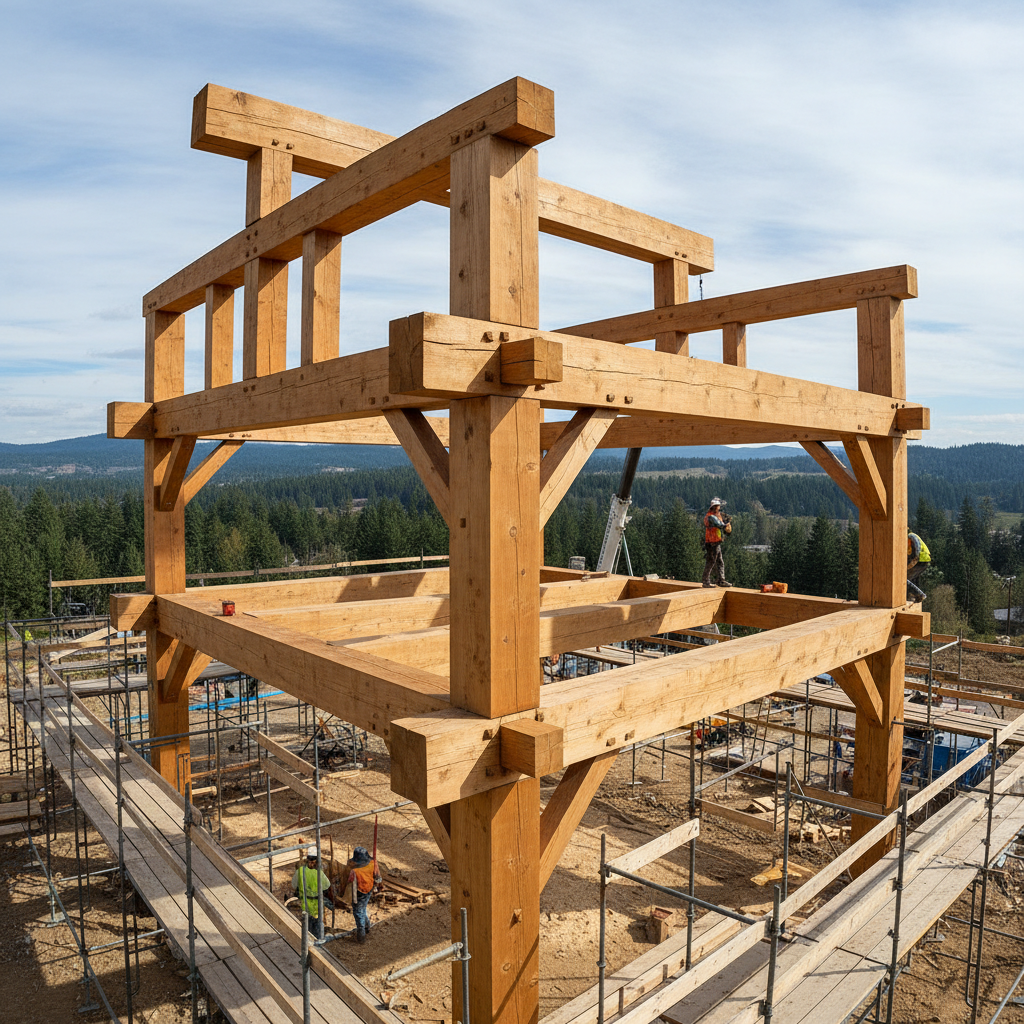
A glulam supplier's delivery for a 12,000 sq ft commercial pavilion showed visible delamination on three beams. The supplier disputed the defect claim, citing "acceptable cosmetic variation." The structural engineer wouldn't sign off.
- Documented delamination pattern with cross-section samples — not cosmetic, adhesive failure in laminating zone
- Pulled the APA EWS certification numbers, found lot was from a recalled production run
- Prepared a formal dispute brief with photographic evidence and APA standard citations
Supplier replaced all 14 beams at no cost. Contractor avoided $340,000 in structural rework liability.
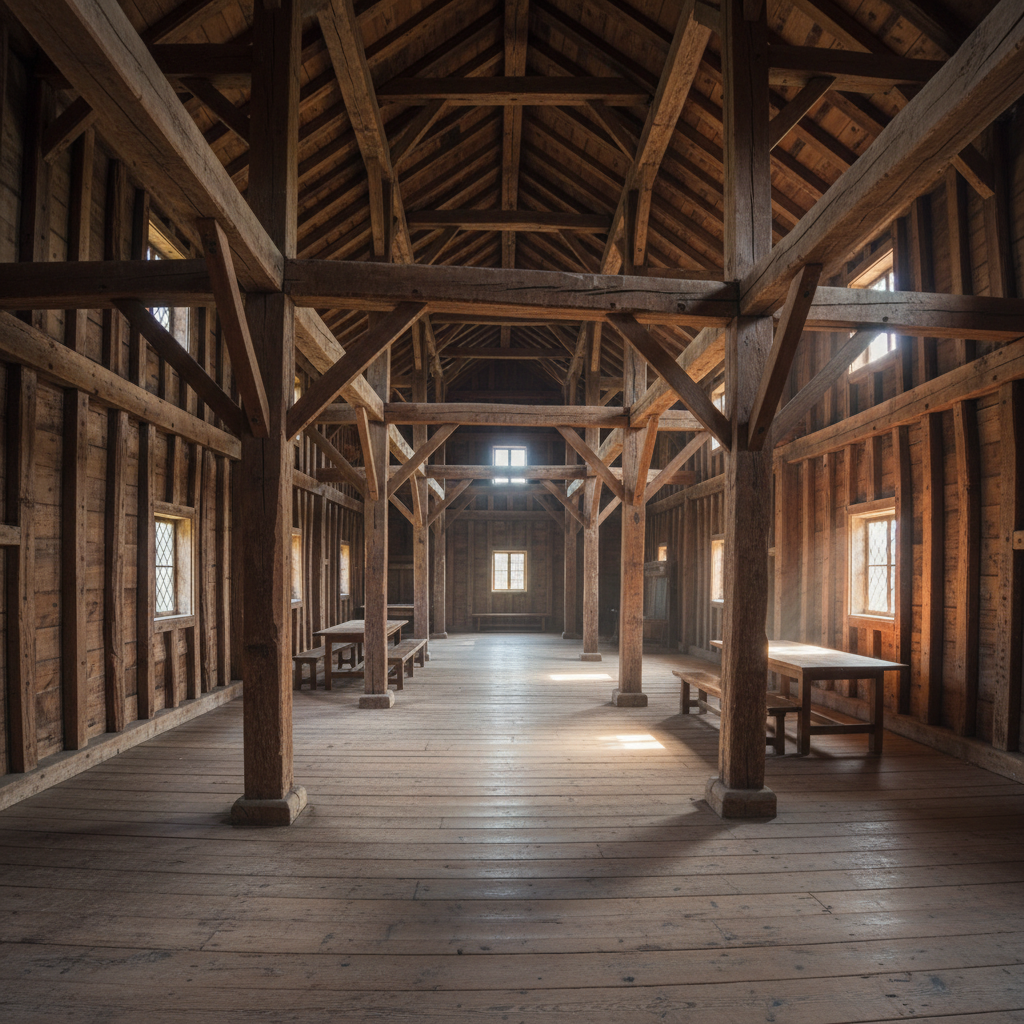
A 1790s rice plantation outbuilding required structural repair. The original framing was longleaf pine, a species no longer commercially harvested. The state historic preservation office required species-matched replacement timber.
- Identified original timber as longleaf pine by growth ring density and heartwood resin content
- Located a salvage yard in Mississippi with verified antique longleaf from a 1920s mill demolition
- Graded 2,400 board feet for structural adequacy alongside the salvage yard manager
SHPO approved the timber match. Restoration passed historic tax credit review, unlocking $280,000 in federal credits.
What does your
project actually need?
Five questions. Two minutes. A clear picture of whether you need species verification, a sourcing strategy, or someone to review a supplier quote that doesn't add up.
Ten thousand board feet
of context.
I've handled timber from Appalachian sawmills, Pacific Northwest old-growth salvage, and Brazilian hardwood imports. The knowledge that takes decades to accumulate is available to your project now.
Species Identification
Cell structure analysis, growth ring density, resin content. Verified identification in the field — no lab delays. Written documentation accepted by inspectors and architects.
Structural Grading Review
Grade stamp verification, defect mapping, load capacity assessment for your specific application. I read the NHLA rules so you don't have to dispute them blindly.
Sourcing & Supplier Audit
Hardwood procurement strategy for projects where availability is tight. I know which yards hold inventory, which suppliers forge stamps, and where the old-growth salvage actually is.
Dispute Resolution
When a supplier ships the wrong species or a manufacturer disputes a defect claim, you need documentation that holds up. I prepare briefs with photographic evidence and standards citations.
Bring the spec sheet.
I'll bring the answers.
Whether you're three weeks from a pour-date and the lumber just arrived wrong, or you're in pre-bid and want a sourcing strategy before you commit — this is the call that prevents the problem.
Already have a spec sheet?
Upload your cut list, drawings, or supplier quote. I'll review and respond within one business day.